

10 Best Cleaning Wet Wipes Suppliers Worldwide
Choosing reliable Cleaning Wet Wipes suppliers requires more than comparing prices or package designs. A dependable supplier should demonstrate material expertise, stable production, transparent testing, and consistent delivery performance. These details matter when wipes are used on desks, kitchen counters, medical-adjacent surfaces, vehicles, or shared equipment.
Microbiologist Dr. Charles P. Gerba offers a practical reminder: “A disinfectant is only effective when it is used correctly.” His point applies directly to Cleaning Wet Wipes. A strong product needs suitable ingredients, adequate moisture, durable fabric, and clear instructions. It should also state whether it cleans, sanitizes, or disinfects. These claims are not interchangeable.
This guide reviews ten leading suppliers from different regions. It considers private-label capability, certifications, production capacity, packaging flexibility, and responsiveness. It also examines less visible details, such as whether the lid prevents drying after repeated opening. Small failures become expensive quickly. A dry wipe is not a useful wipe.
Supplier information can change. Manufacturing sites may expand, formulas may be revised, and certifications may expire. Therefore, buyers should verify current documents before placing large orders. That step is easy to overlook.
The ranking is not absolute. A hospital distributor may need different support than a hotel chain or household brand. Some suppliers excel at custom formulations, while others offer stronger global logistics. Sustainability claims also deserve careful review, especially when “biodegradable” wording lacks clear evidence.
There is no perfect supplier. However, careful comparison can reduce quality risks and prevent costly surprises.
What Are Cleaning Wet Wipes and Where Are They Used?
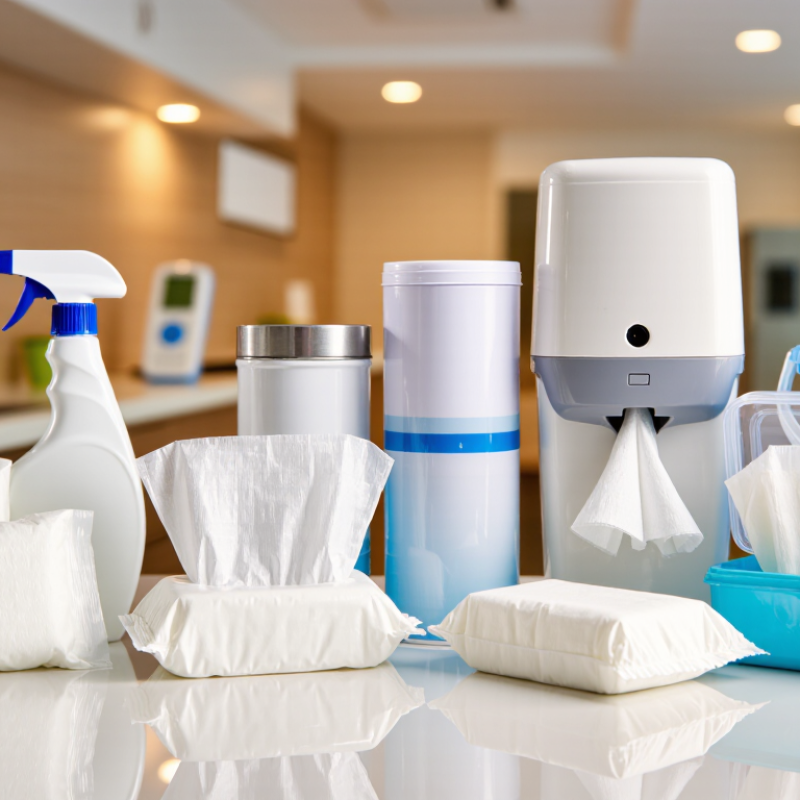
Cleaning wet wipes are pre-moistened sheets made for removing dust, grease, spills, and surface residues. Most combine nonwoven fibers with water, mild detergents, solvents, or preservatives. They are used on kitchen counters, office desks, vehicle interiors, hotel rooms, and noncritical healthcare surfaces. Some formulas also claim disinfection, but cleaning and disinfecting are different tasks.
The market reflects strong demand. Smithers’ 2024 wipes industry outlook estimates global wipes sales will continue growing through 2029, supported by household hygiene and convenience. Grand View Research reported that the global wet wipes market was valued at over USD 20 billion in 2023. These figures show scale, not automatic quality. A wipe may feel wet yet remove little soil. In practice, dwell time, wiping pressure, and surface compatibility matter more than fragrance. That part is often overlooked.
Tips: Check the label before use. Match the wipe with the surface. Use separate wipes for food-contact areas and bathrooms. Never flush them, even when they seem disposable. For electronics, apply the liquid to a cloth, not directly to the device. In healthcare, follow the stated contact time. My own practical view is simple: one wipe rarely cleans a heavily soiled surface properly. Remove visible dirt first, then use a fresh wipe. Performance can still vary between batches, so supplier testing and certification documents deserve careful review.
| No. | Cleaning Wet Wipe Category | What It Is | Typical Substrate | Common Cleaning Chemistry | Typical Applications | Important Supplier Requirements | Packaging and Storage Considerations |
|---|---|---|---|---|---|---|---|
| 1 | General-Purpose Surface Wipes | Pre-moistened disposable wipes designed for routine removal of dust, fingerprints, food residue, and light grease. | Spunlace or airlaid nonwoven fabric made from polyester, viscose, polypropylene, or blended fibers. | Water-based solution with mild detergents, solvents, builders, or pH adjusters. | Homes, offices, schools, retail stores, hospitality areas, and public facilities. | Consistent basis weight, low lint, uniform lotion distribution, strong wet tensile strength, and stable shelf life. | Resealable flow packs, tubs, or canisters. The pack should minimize evaporation and be stored away from excessive heat and sunlight. |
| 2 | Disinfectant Wipes | Wipes containing an antimicrobial active intended to disinfect hard, non-porous surfaces when used according to an approved label. | Low-lint spunlace, meltblown, or other nonwoven materials compatible with the active ingredient. | Alcohols, quaternary ammonium compounds, hydrogen peroxide, chlorine compounds, or other registered disinfectant actives. | Healthcare facilities, laboratories, offices, schools, transportation, and food-service support areas. | Verified contact time, accurate active concentration, compatibility testing, safety documentation, and applicable regulatory registration. | Sealed tubs or sachets with strong moisture barriers. Packaging must clearly state directions, contact time, warnings, and disposal instructions. |
| 3 | Food-Contact Surface Wipes | Wipes formulated for surfaces that may contact food, usually requiring compliance with local food-contact chemical regulations. | Food-contact-compatible nonwoven substrate with low lint and good wet strength. | Water-based cleaners or approved sanitizing agents, depending on the intended claim and jurisdiction. | Commercial kitchens, food-processing areas, restaurants, supermarkets, and catering operations. | Food-contact compliance documentation, residue control, clear rinse instructions where required, and traceable batch records. | Individually wrapped sachets or sealed dispensers help reduce contamination. Storage should follow the product safety data sheet. |
| 4 | Glass and Mirror Wipes | Low-streak wipes developed to remove fingerprints, dust, and light soil from smooth transparent surfaces. | Low-lint polyester or polyester-cellulose blend with a smooth, uniform texture. | Water, low-residue surfactants, alcohol-based solvents, and small amounts of chelating or drying agents. | Windows, mirrors, display cases, vehicle interiors, office partitions, and appliance glass. | Minimal lint and residue, rapid drying, streak control, and compatibility with coated or treated glass. | Flow packs with a reliable reseal are common. Excess moisture should be avoided because it can increase streaking. |
| 5 | Electronics and Screen Wipes | Soft, low-lint wipes intended for displays and electronic equipment without introducing excessive moisture. | Fine-denier microfiber, polyester, or other non-abrasive nonwoven fabric. | Deionized water, low-residue alcohol solutions, or specially formulated screen-cleaning fluids. | Monitors, keyboards, touchscreens, control panels, office equipment, and consumer electronics. | Non-abrasive texture, low lint, low ionic residue, controlled wetness, and compatibility testing on coatings. | Individually sealed sachets or small resealable packs are preferred. Users should avoid applying liquid directly to electrical devices. |
| 6 | Heavy-Duty Degreasing Wipes | Industrial wipes designed to remove oils, lubricants, adhesives, tar, ink, and other difficult soils. | High-strength spunlace, hydroentangled cellulose, polypropylene, or durable synthetic blends. | Solvent-based or water-based degreasers, surfactants, alcohols, citrus solvents, or other task-specific cleaners. | Workshops, manufacturing plants, automotive service areas, warehouses, and maintenance operations. | High wet and dry strength, solvent compatibility, low lint, controlled solvent evaporation, and appropriate worker-safety documentation. | Industrial tubs, buckets, or heavy-duty flow packs. Flammable formulations require suitable transport, storage, and labeling controls. |
| 7 | Stainless-Steel and Appliance Wipes | Wipes formulated to clean smooth metal surfaces while reducing fingerprints, smears, and water marks. | Soft spunlace or microfiber-like nonwoven fabric that limits scratching and linting. | Mild surfactants, water, alcohols, and sometimes light polishing or protective agents. | Kitchen appliances, elevators, commercial equipment, food-service counters, and architectural metal surfaces. | Non-scratch performance, low residue, corrosion compatibility, and validation on brushed and polished finishes. | Resealable packs or canisters help preserve moisture. The product should not be used on hot surfaces unless specifically approved. |
| 8 | Bathroom and Sanitary-Area Wipes | Pre-moistened wipes for removing soap scum, mineral deposits, body oils, and general soil in washroom areas. | Absorbent spunlace or airlaid nonwoven with sufficient wet strength for textured surfaces. | Mild acids, surfactants, chelating agents, disinfectants, or alkaline cleaners, depending on the product purpose. | Bathrooms, washrooms, hotel facilities, gyms, schools, offices, and public buildings. | Controlled pH, compatibility with ceramic, chrome, plastic, and sealed stone surfaces, plus clear chemical warnings. | Moisture-retaining canisters or flow packs are typical. Users should follow surface restrictions and avoid mixing with other cleaners. |
| 9 | Biodegradable or Compostable-Claim Wipes | Wipes made with cellulosic or other renewable fibers and marketed with a biodegradability or compostability claim supported by testing. | Viscose, lyocell, cotton, bamboo-derived cellulose, or certified compostable fiber blends. | Water-based lotions using surfactants and preservatives selected for the intended environmental claim. | Household cleaning, hospitality, offices, and markets seeking reduced reliance on conventional plastic fibers. | Independent claim verification, transparent fiber composition, suitable disintegration or compostability testing, and no unsupported “flushable” claim. | Paper-based or recyclable plastic packaging may be used. Environmental claims must match the relevant local standard and disposal route. |
| 10 | Private-Label and Custom-Formula Wipes | Cleaning wipes manufactured to a buyer’s requested substrate, lotion, dimensions, packaging format, and regulatory requirements. | Custom-selected nonwoven material based on absorbency, softness, strength, lint level, and end use. | Custom water-based, solvent-based, disinfecting, polishing, or low-residue formulations. | Retail products, institutional cleaning programs, hospitality groups, industrial distributors, and export markets. | Formulation development, pilot testing, quality-control specifications, technical files, batch traceability, and export documentation. | Options include sachets, flow packs, tubs, buckets, refill packs, and dispensers. Packaging should be validated for leakage, evaporation, and transport conditions. |